HomeFoundational Years Programme
Foundational Years
Nursery – Class II / Foundational Years
A world of wonder.
A lifetime of discovery.
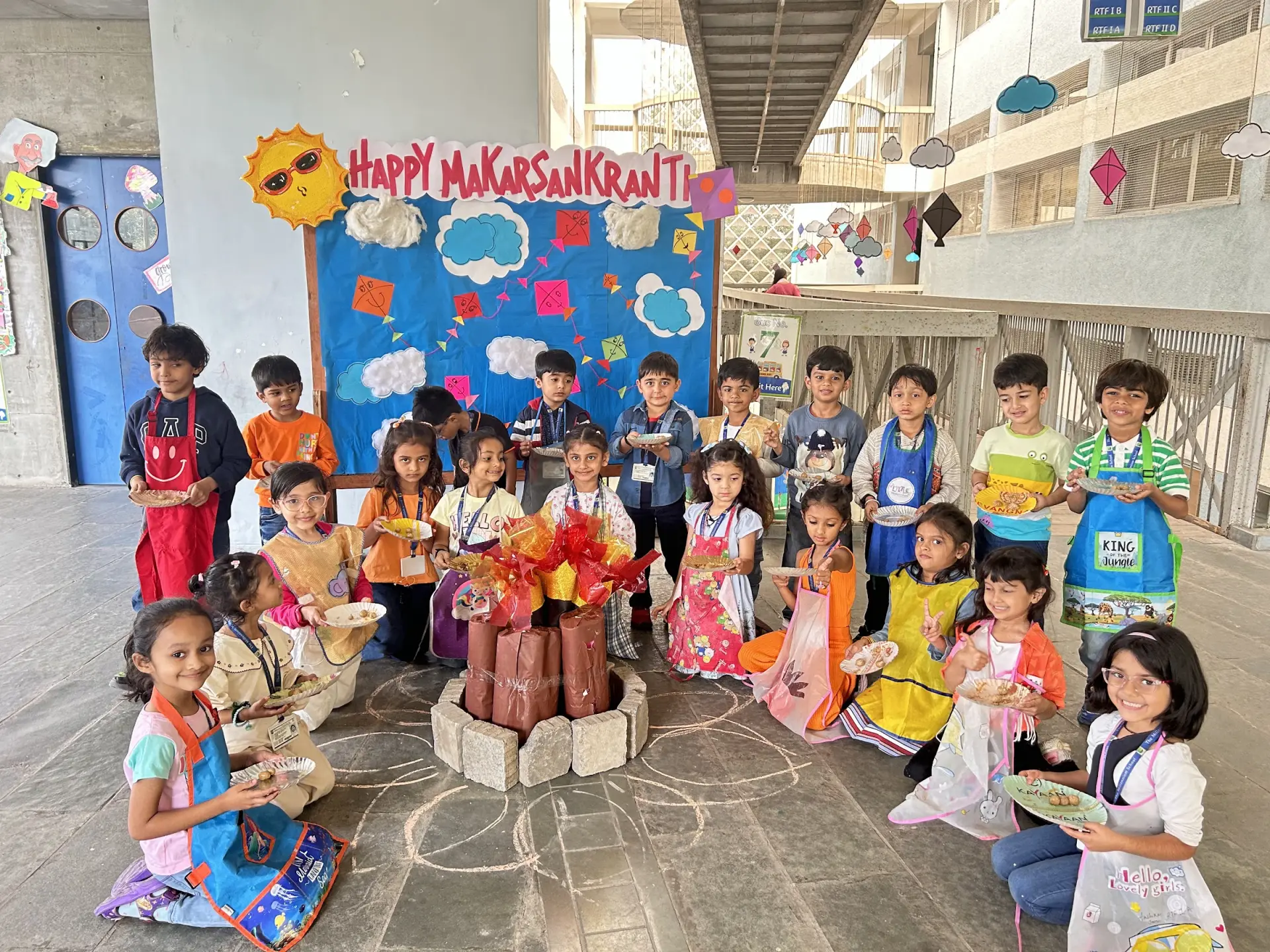
Play, stories and exploration turn natural curiosity into the foundations of learning.
Inside the programme
Pre-primary: Nursery, Pre-primary 1, Pre-primary 2, Class I and Class II
Age Group: 3 to 7 Years
Pedagogy:
Nursery - Sr.Kg : Play Based (Story based, language acquisition programme, Little Thinkers, workbooks) designed as recommended by NEP and NCF.
Class 1 : A story-based, experiential and activity-oriented approaches. It nurtures curiosity, critical thinking, and conceptual understanding by connecting familiar stories and experiences to real-life situations, ensuring a smooth transition from play-based learning to structured learning.
Class 2: Class II pedagogy builds on the conceptual understanding developed in Class I through story-based. It integrates the four facets of learning — Look Deep, Look Within, Look Beyond and Look Around — to nurture curiosity, critical thinking, problem-solving and the application of knowledge to real-life situations, fostering deeper understanding and independent learning.
Academics
The Mindcrest School has partnered with ThinkRoom, a research-based pedagogy that delivers a holistic curriculum transformation, enhanced by advanced AI technology to achieve effective learning outcomes. This forward-thinking learning and assessment program utilizes the innovative Meta-Thinking Method, empowering children to become meta-thinkers. It emphasizes the importance of foundational literacy and numeracy.
02 / The Learning Experience
Whole-Child Development
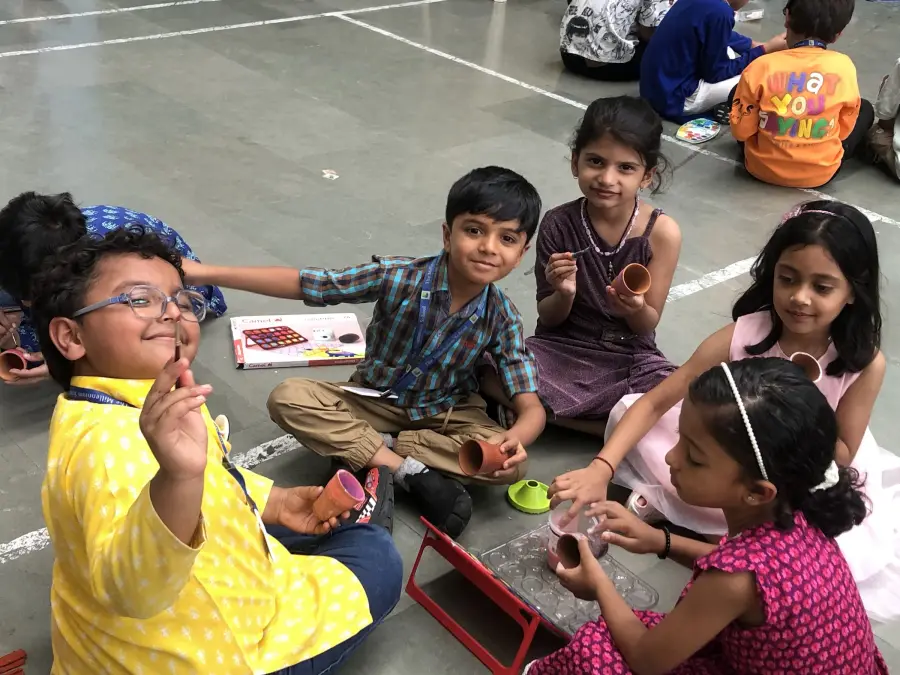
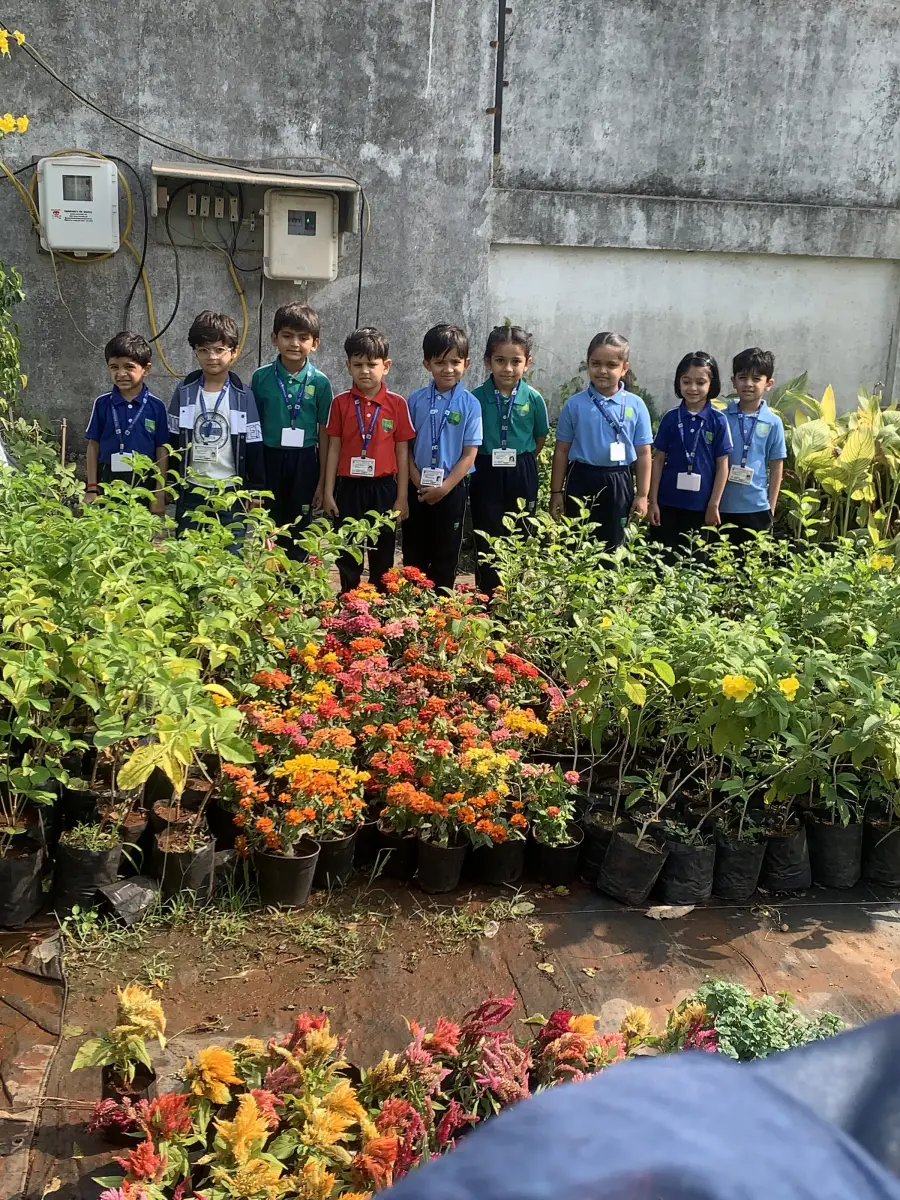
Children are inherently curious and eager to explore the world around them. The Foundational Years Programme nurtures this curiosity by promoting their cognitive, physical, and socio-emotional development. With a whole-child approach, the Foundational Years Programme creates a supportive environment for children from Nursery to Class II, helping them reach important developmental milestones. The program utilizes research-based learning methods and globally informed practices to equip children with the skills they need for a seamless transition to the Primary Years, fostering a passion for lifelong learning.
03 / The Learning Experience
ThinkRoom Genie
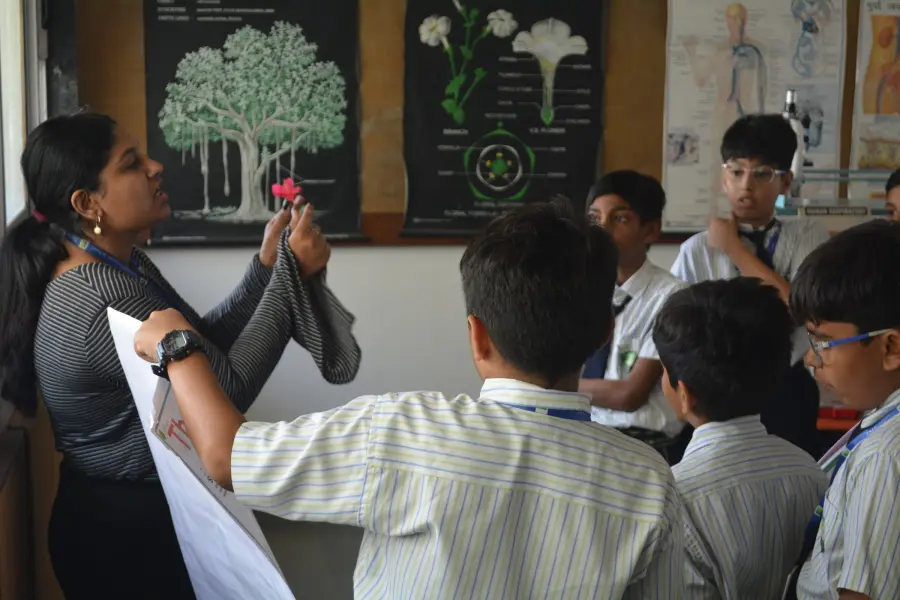
ThinkRoom Genie is an augmented reality-enabled teaching console that transforms classrooms by integrating AR technology with a digital platform. It enhances learning by allowing students to visualize complex concepts in 3D and teachers to project lifelike AR visuals like the solar system and human anatomy. With personalized support and real-time feedback, Genie fosters creativity, critical thinking, and deeper comprehension. The Genie kit also brings lessons to life through AR books, making learning enjoyable, engaging, and accessible for students of all ages.
Explore the Programme
Learning Resources
Explore our teaching approach, curriculum, assessment and lesson planning.
01Pedagogical Approach
A child-centered pedagogical approach in the foundational years program (FYP) emphasizes experiential learning and inquiry-based methods. This educational philosophy prioritizes fostering critical thinking, creativity, and emotional intelligence instead of rote memorization. The approach includes the following key elements:
- 1) Inquiry-Based Learning: Encourages students to ask questions, explore, and actively participate in their learning process.
- 2) Experiential Learning: Provides hands-on activities and real-life experiences to enhance understanding and retention of concepts.
- 3) Emotional and Social Learning: Prioritizes emotional intelligence and self-awareness to help children understand and manage their emotions while fostering a supportive and inclusive environment.
- 4) Holistic Development: Focuses on the overall development of children, including cognitive, emotional, physical, and social aspects, ensuring that they grow in a well-rounded manner.
- 5) Active Teacher Facilitation: Teachers act as facilitators, guiding children through their learning journey while providing support and creating an engaging learning environment.
This approach helps children develop deeper conceptual understanding, problem-solving skills, and a love for learning, catering to their individual learning styles and needs.
02Curriculum
Language Arts
Each Story Reader has a series of learning experiences that take children through an exciting journey of discovering words, exploring themes and developing language arts skills.
PHONICS
Phonics is complementary to the reading programme, combined with whole word sight reading. It allows the learning of individual letters, their sounds as well as the basic letter combinations (phonemes) in the English language.
MATHS
Shifting the focus from mere learning of numbers and operations,the Math curriculum aims at the child understanding the basic principles and applying them in real life.
EVS
A comprehensive, well-planned and theme-based approach to teaching EVS helps the child be aware of, understand and appreciate the world around them. EVS is integrated within Story Readers as themes and moves on to Studios, a more focused learning material.
03Evaluation and Assessment
The Chrysalis ThinkRoom includes systematically documented lesson plans that integrate learning experiences using a four-phase approach called E2R2 –(Engage, Explore, Reinforce, Review). This structured framework provides a consistent flow to the teaching-learning process, helping to achieve the objectives of learning experiences, ensuring that learners meet the intended outcomes, and offering facilitators opportunities to gather evidence of learning. It also incorporates Social and Emotional Learning (SEL) competency domains and features multimedia engagement strategies such as songs, experiments, games, and the use of manipulatives.
04Lesson Plans
The Chrysalis ThinkRoom includes systematically documented lesson plans that integrate learning experiences using a four-phase approach called E2R2 –(Engage, Explore, Reinforce, Review). This structured framework provides a consistent flow to the teaching-learning process, helping to achieve the objectives of learning experiences, ensuring that learners meet the intended outcomes, and offering facilitators opportunities to gather evidence of learning. It also incorporates Social and Emotional Learning (SEL) competency domains and features multimedia engagement strategies such as songs, experiments, games, and the use of manipulatives.