A studio for every idea
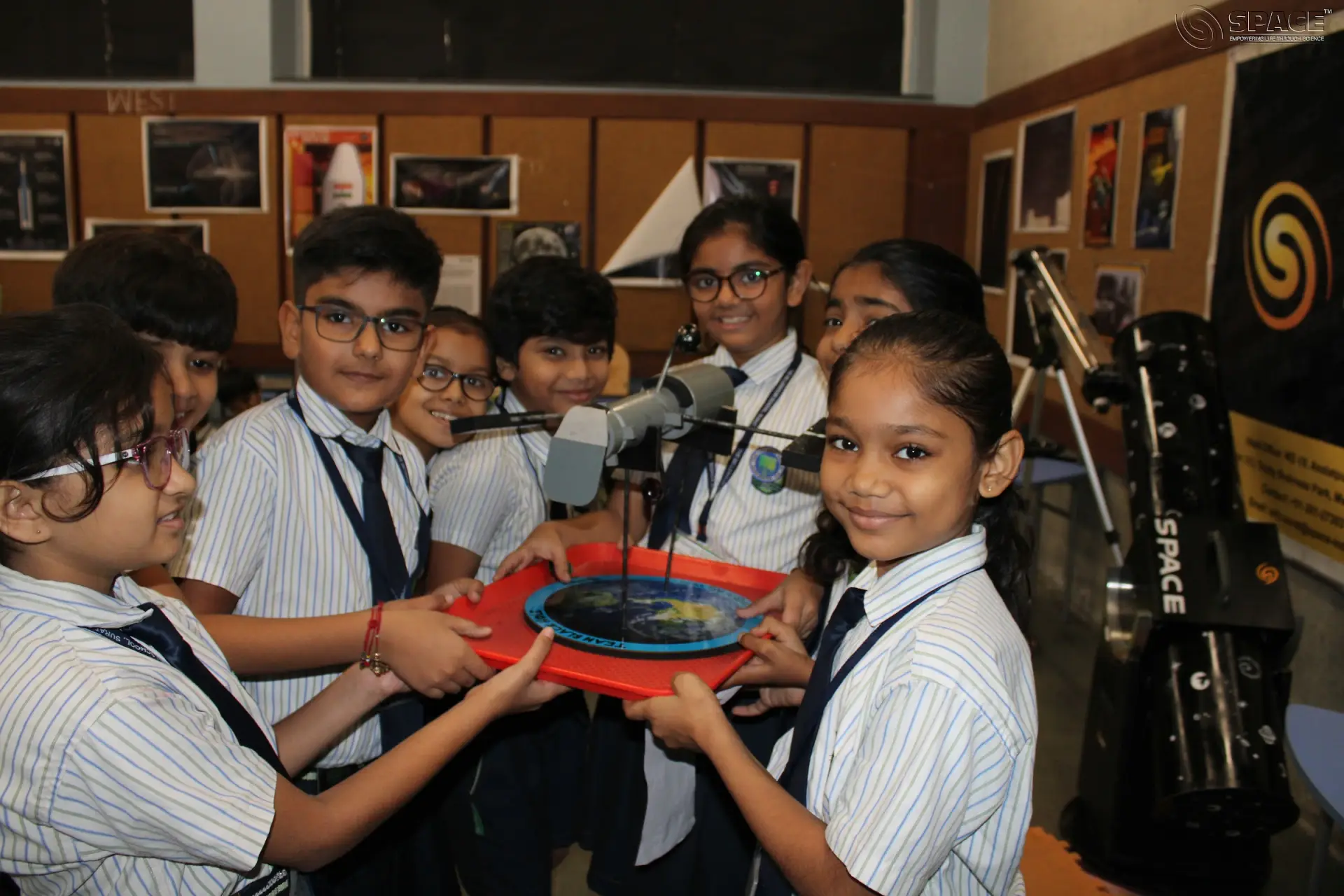
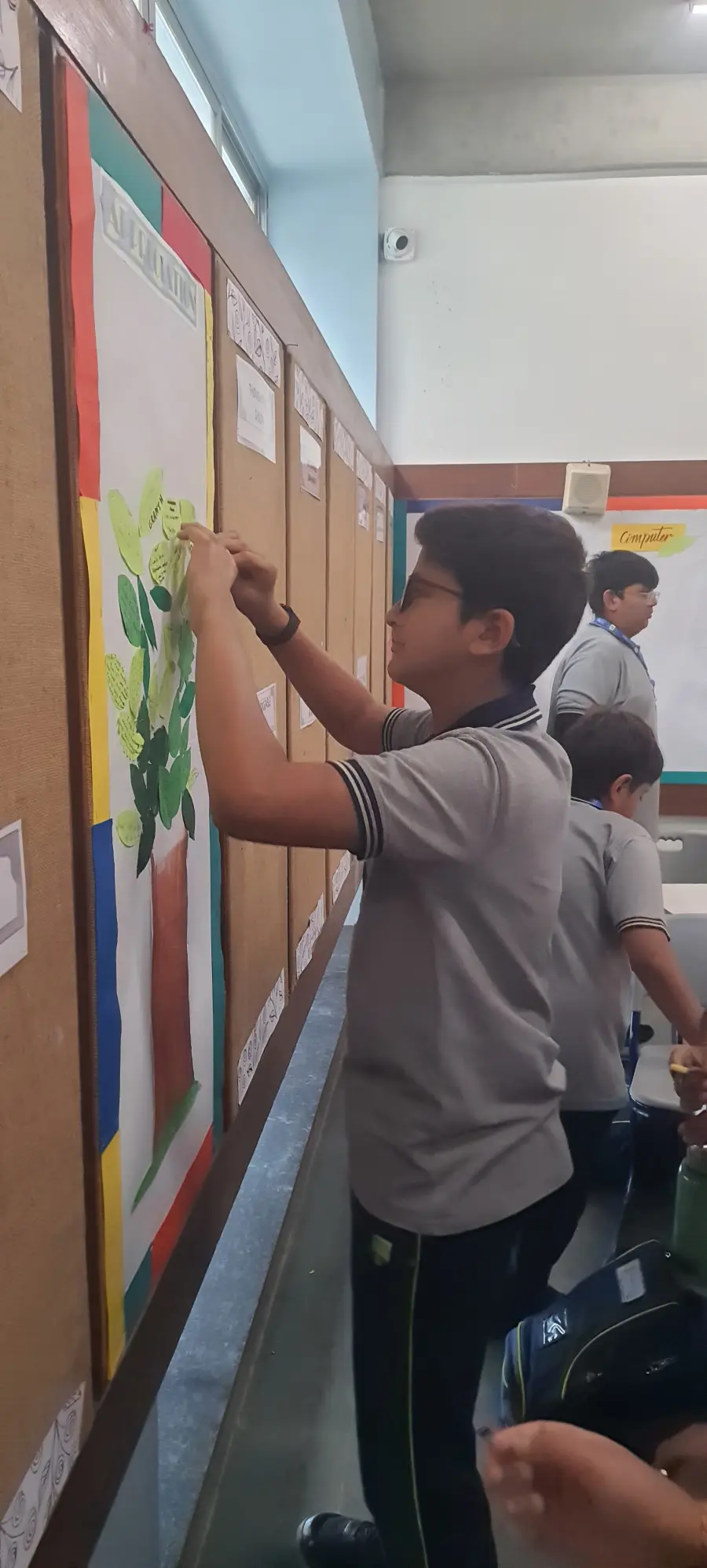
Studios encourage students to think logically, creatively and critically, and to express their ideas, talents and skills.
HomePreparatory Stage Programme

Classes III – V / Preparatory Years
A studio approach that invites children to question, create and take ownership of their learning.
Primary classes: Class III to Class V
Age Group: 8 to 10 Years
Pedagogy: Thinkroom Studio Pedagogy
Primary Year Programme fosters skill development across cognitive, emotional, social, and metacognitive domains, empowering students to become independent, motivated, and resourceful learners who take charge of their education. Learning is seen as a continuous process of brain growth, unique to each individual. It emphasizes the importance of values in unlocking human potential, nurturing a balance of competencies, including computer science. Students will grow into advocates for a harmonious and balanced world, unified as one global community.

Explore the Programme
Studios encourage students to think logically, creatively and critically, and to express their ideas, talents and skills.
Concepts are derived rather than simply told, applied in real-life contexts and taught to suit different learning styles.
Explore the Programme
Explore our teaching approach, curriculum, assessment and lesson planning.
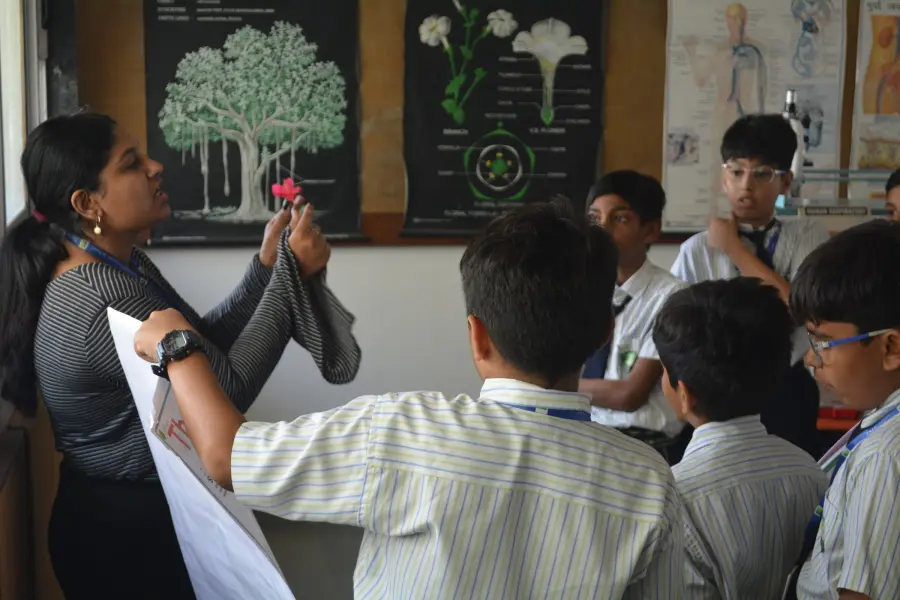
In Chrysalis Thinkroom's Primary Year Programme, the focus is on questioning-based pedagogy. The approach emphasizes stimulating students’ thinking through questions. Effective questions encourage students to think critically and come up with their own answers.
For instance, traditional counting is often taught through rote learning—one plus one equals two, and two times two equals four. In contrast, Chrysalis promotes four distinct ways of thinking:
01. Look Deep: For example, when studying photosynthesis, students explore deeper questions like why leaves are green, what element causes this color, and how it contributes to the plant's food-making process.
02. Look Beyond: This involves creative thinking. For example, if students imagine that plants could visit a beauty salon, they might humorously suggest services like pedicures, manicures, or facials.
03. Look Around: This involves societal thinking. Students might contemplate the consequences of tree cutting and consider how they can contribute to the solution.
04. Look Within: This fosters reflective thinking. When encountering a plant that appears to be dying, students might consider various actions, such as finding water to help it, instead of ignoring the problem.
ENGLISH: The curriculum offers ample LSRW development opportunities, covers diverse genres, integrates grammar, includes higher-order worksheets, and features projects for every lesson.
SOCIAL STUDIES: The curriculum nurtures social skills through higher-order worksheets in companion and projects for every lesson.
MATHEMATICS:The curriculum promotes deeper conceptual understanding with numerous practice opportunities and engaging math activities. It emphasizes hands-on learning and includes higher-order worksheets in Companion. Every lesson features projects to reinforce these concepts.
SCIENCE: The curriculum fosters curiosity by nurturing over 20 scientific thinking skills, including questioning, observation, experimentation, and exploration. It includes higher-order worksheets in Companion and features projects for every lesson.
Coding and Computer Technology: The curriculum covers 10+ emerging technology trends and coding, emphasizing practical skills and capabilities over theory. It also integrates computational thinking into the learning process.
In a ThinkRoom, learners are not judged; they are encouraged to write and express themselves in their unique ways. Teachers use assessment indicators, Success Criteria, and judgment statements to objectively evaluate genuine learning. Authentic Assessment employs technology to facilitate timely interventions for improved learning, conducted either during the ThinkRoom session or before the next class. This method emphasizes discovering each child's strengths rather than striving to make every child "the best," and aligns with the Holistic Progress Card (HPC) and learning outcomes.
In Chrysalis Thinkroom's Primary Years Programme, lesson plans are systematically documented and focus on:
Q1)Questioning-Based Pedagogy: Lessons revolve around open-ended questions, such as Big Questions and Key Questions, to encourage deeper understanding and critical thinking.
Q2)Four Facets of Thinking:
Q3)Blended Learning Model: Combines traditional teaching with advanced digital tools like Genie and a digital interface, creating a smooth conducive learning ambience.
Q4)Student-Centered Learning: Engages students actively, tailors instruction to individual needs, and encourages lifelong learning through activities such as PEP (Personalized Education Plan), Think and Ink, Project Time, Journals, Concept Maps, and Socio-Emotional skill development.
Next
Middle Stage